Living With Smoke

Helping communities mitigate smoke effects

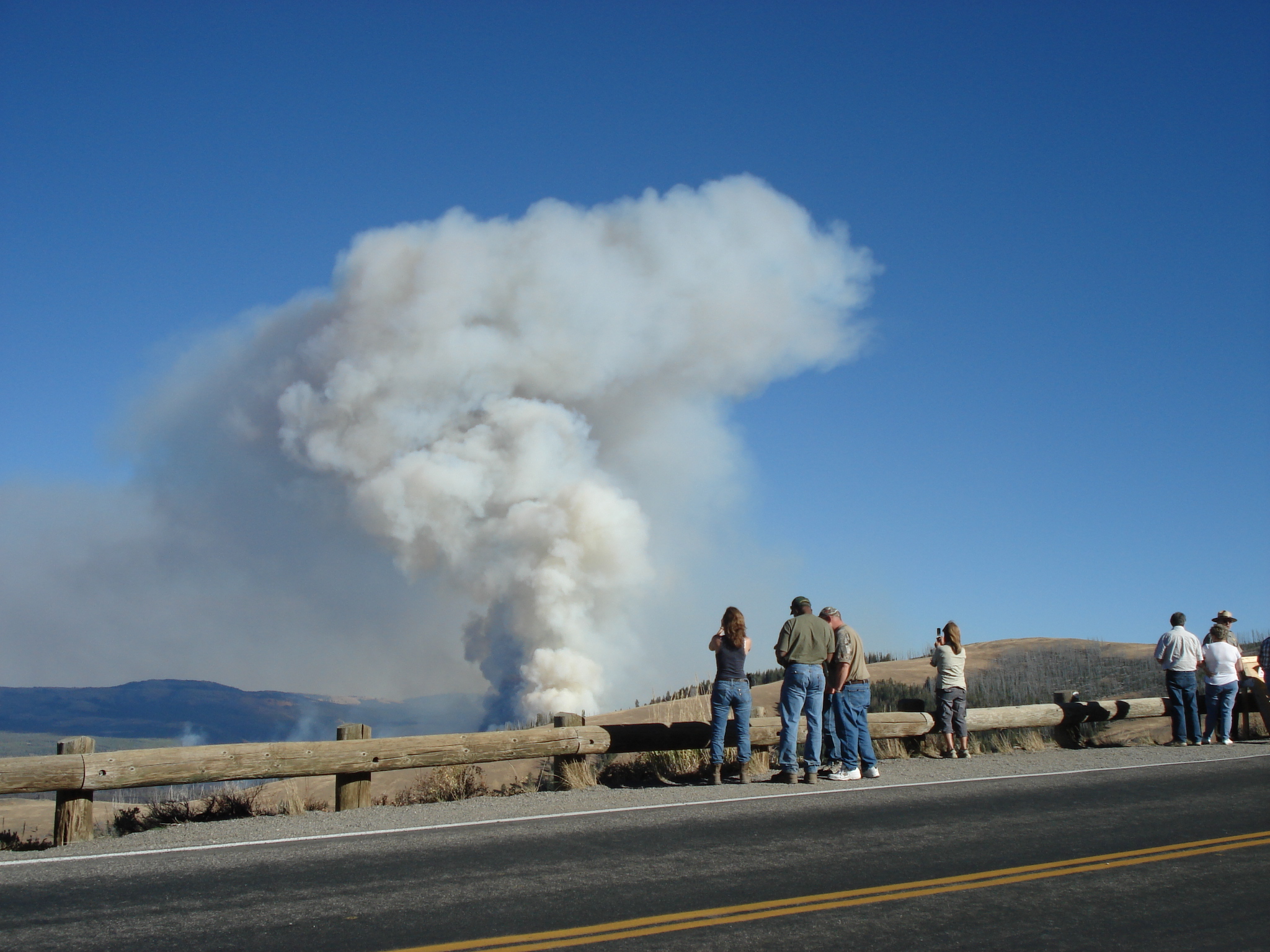
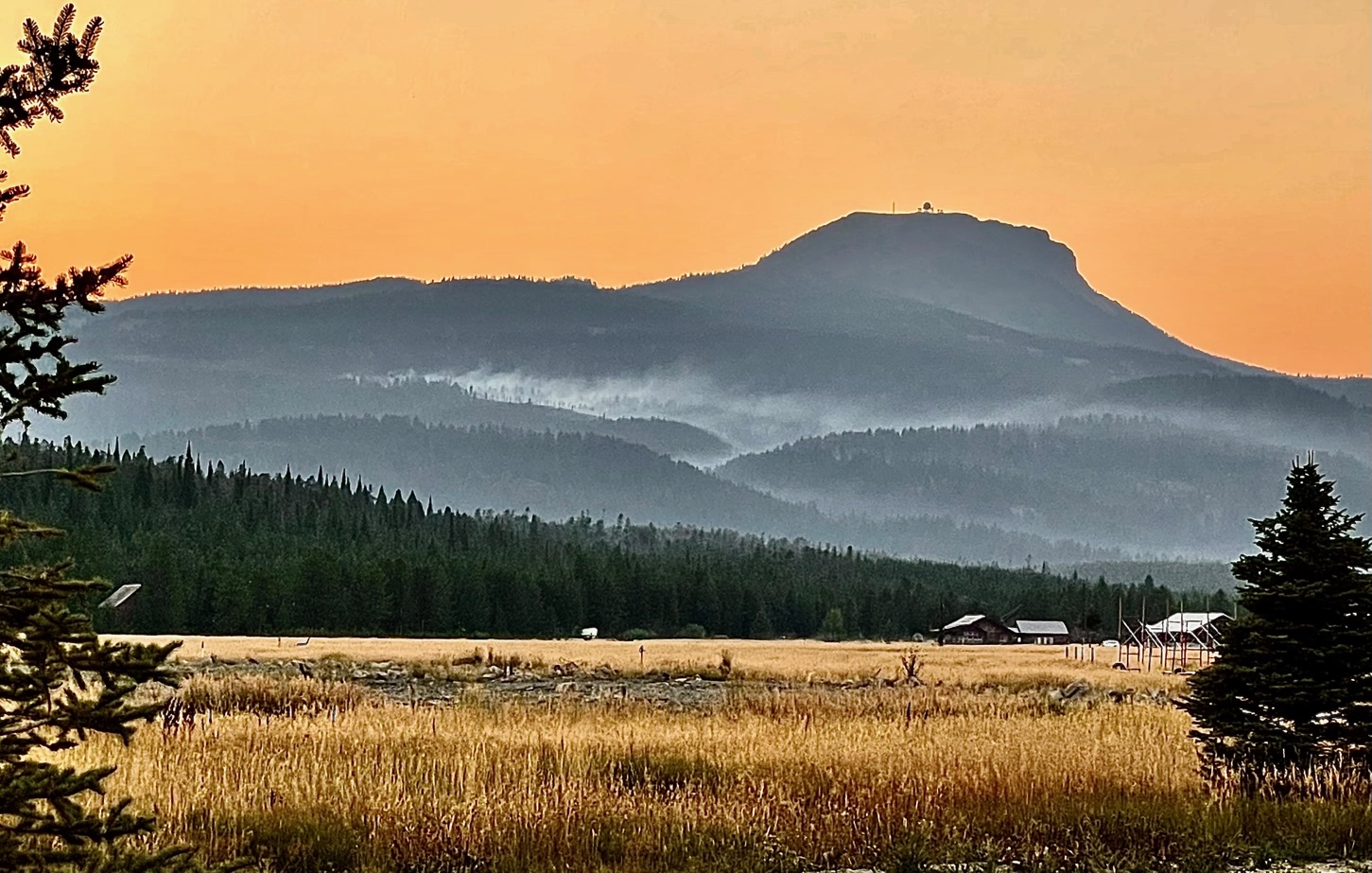
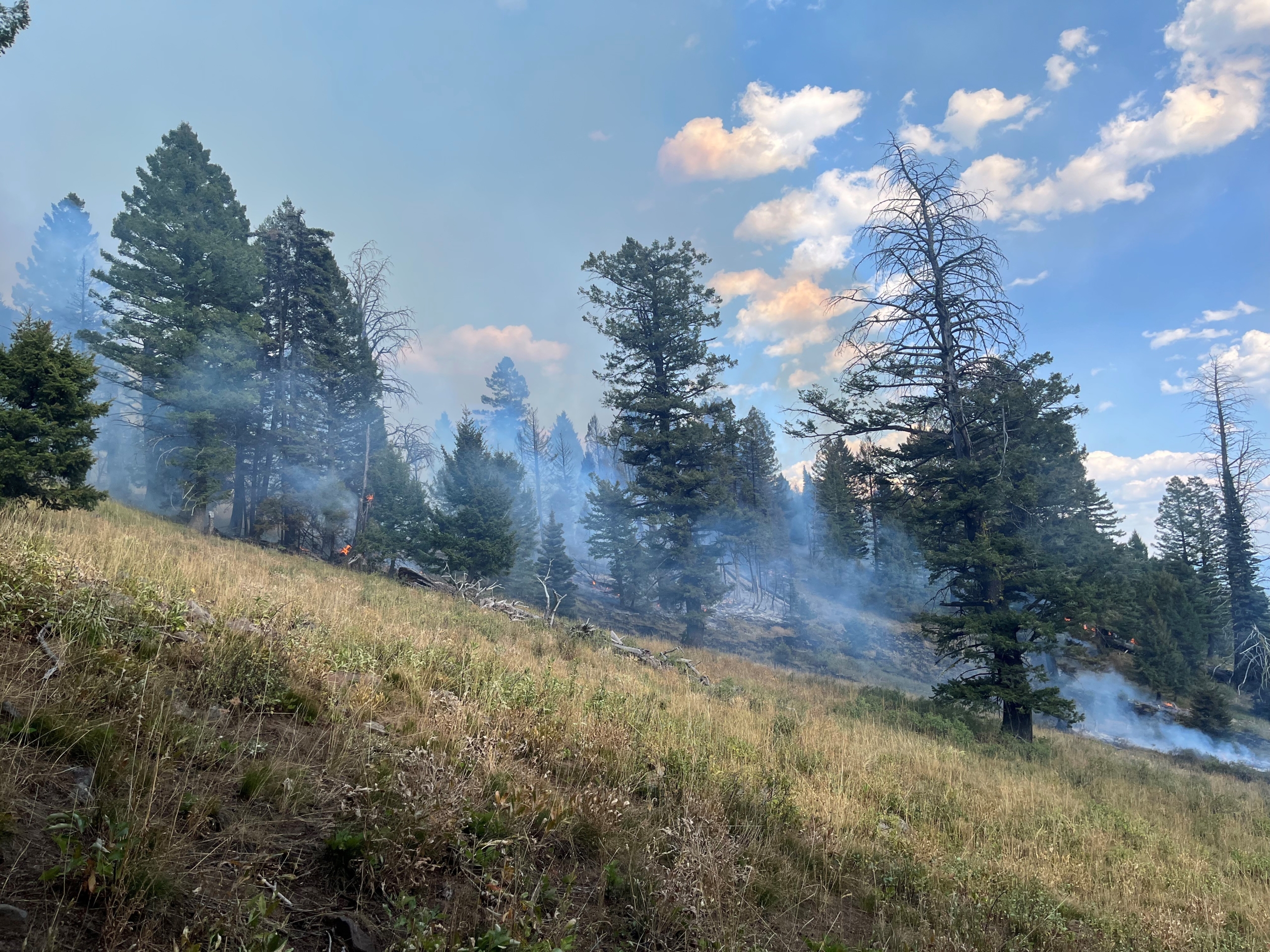
Spring through Autumn are smoke season. Smoke comes from many sources and this information pertains to most smoke, especially from fires. During the summer months we all see, smell and experience an increase in smoke, usually due to an increase in wildfires. Fire events may not originate in areas near our community and may drift in with wind and air currents.

Smoke affects air quality and humans all react differently to smoke.

Scientific evidence demonstrates health effects in response to short-term exposure ranging from eye and respiratory tract irritation to more serious effects, including reduced lung function, pulmonary inflammation, bronchitis, worsening of asthma and other lung diseases, and worsening of cardiovascular diseases including heart failure and pre-mature death. Although a large population can be exposed to smoke during a wildfire event, most healthy adults and children will recover from wildfire smoke exposure. Certain life stages and populations may, however, be at greater risk of experiencing health effects, including people with respiratory or cardiovascular diseases, children and older adults, pregnant women, people of lower socioeconomic status and outdoor workers.
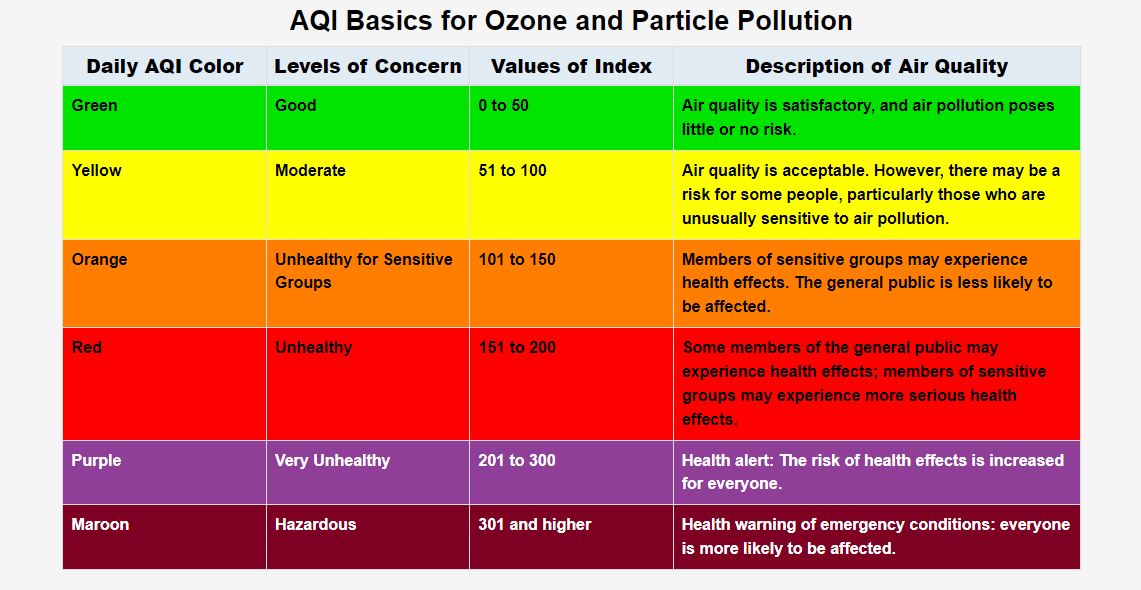
Air Quality Index provides information about particulate matter (PM) pollution and has been calibrated into categories. Prepare for smoke whether from wildfire or prescribed fire.

Air quality is available for portions of the Western United states by visting this website

One of the biggest concerns for communities and people during a smoke event is the effects of smoke and how to minimize those effects during a smoke event. The resources on this page will assist you, your neighbors and the community of Island Park to be smoke ready.

Work with Island Park Sustainable Fire Community to become a Smoke Ready Community.

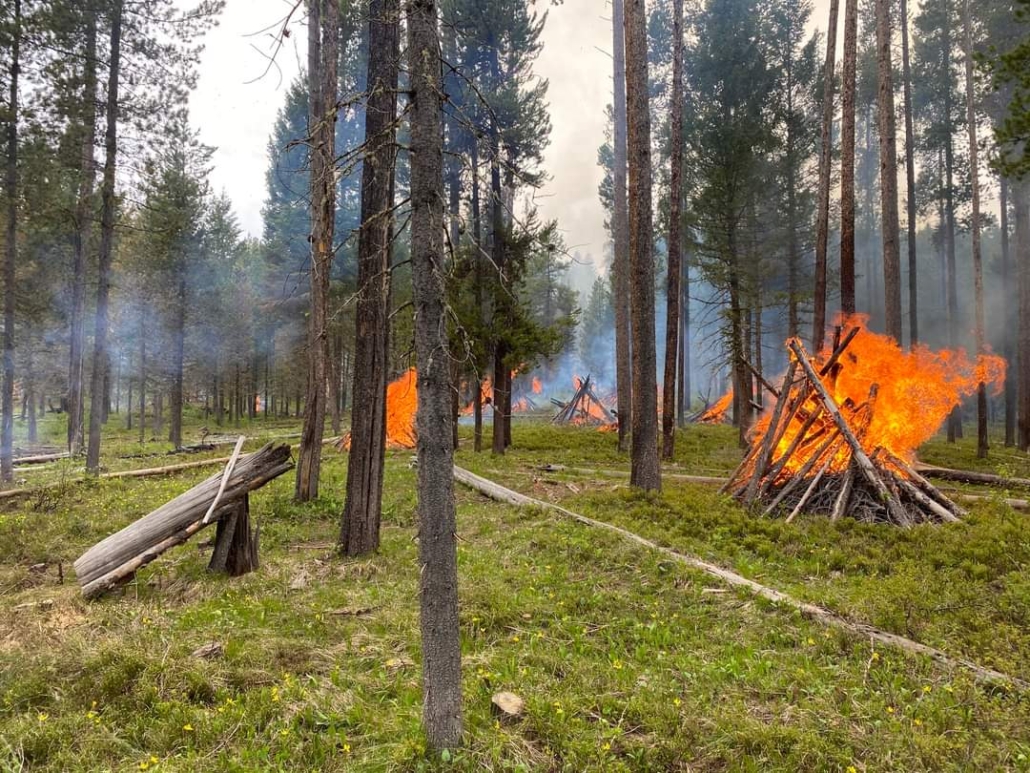
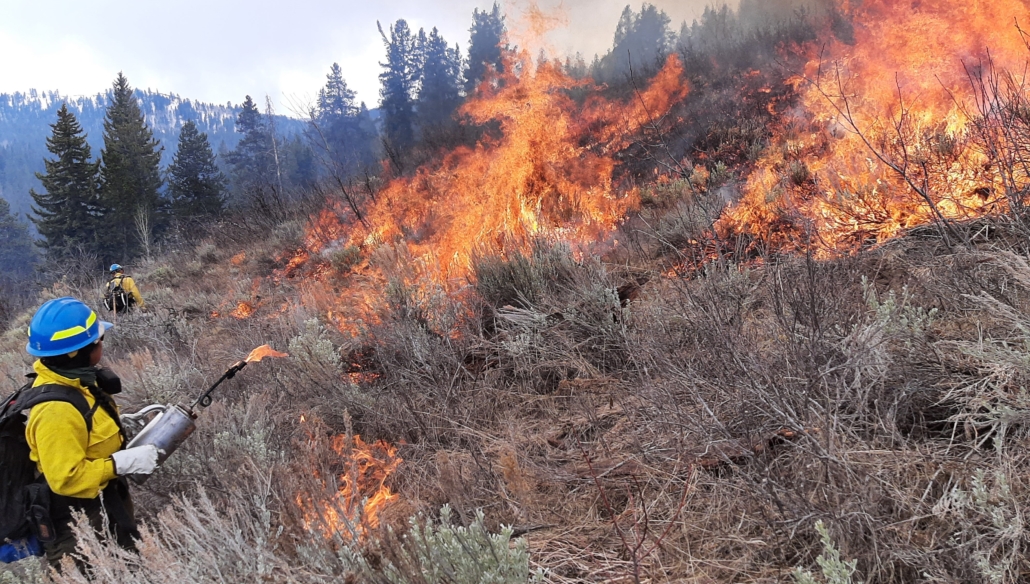
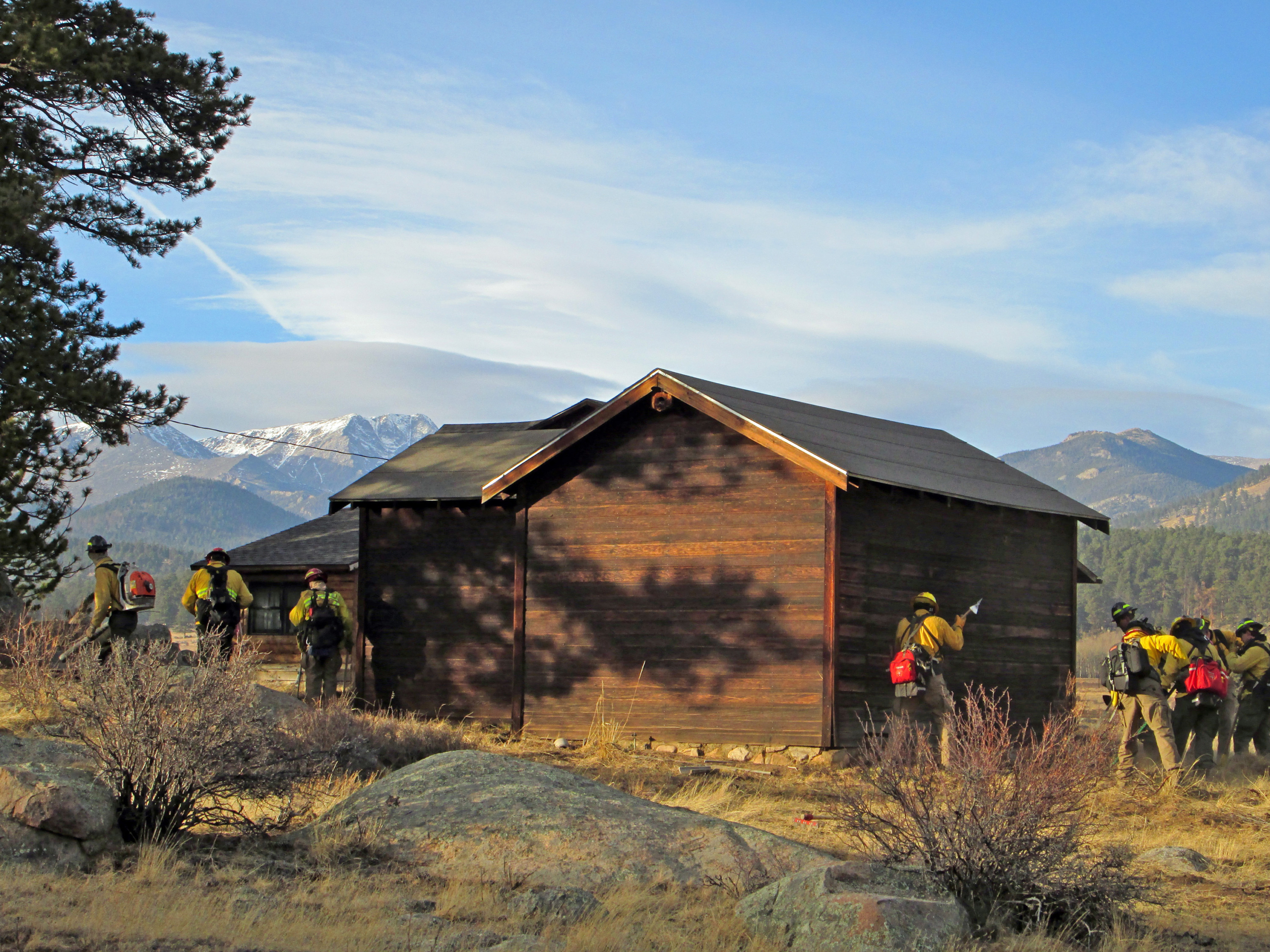
Prescribed fire is an important tool to use for fuels reduction and a landscape that is resilient to fire and other disturbances. The reality of prescribed fire is land management agencies such as Forest Service or Bureau of Land Management and private landowners will use fire to remove fuels and restore wildlife habitat. Prescribed fires have less smoke and smoke intensity than wildfires. It is very important for land management agencies to provide information about prescribed fires so communities can mitigate smoke effects.
  • 2. Stay Safe Indoors

    • Keep windows and doors closed with the air conditioner on (if available).
    • If applicable, close the heating, ventilation and air-conditioning (HVAC) units fresh air intake (meaning it pulls outside air to cool or heat it)
      and change the system to “recirculate mode.” Generally, home HVAC systems utilize an air intake inside of the home, so you do not need to worry about this. But, check with your HVAC specialist.
    • If your home utilizes a swamp cooler or has a window air-conditioning unit, these units intake outside air and should be turned off.
    • If you lack air conditioning, closing the windows during hot weather can be unsafe. Consider staying elsewhere.
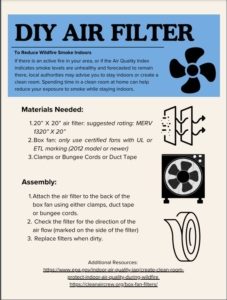
    • Build your own Air Filter
  • 3. Protect yourself

    • Stay hydrated. Adequate hydration keeps your airway lubricated, which keeps you safer from health impacts related to smoke.
    • Use NIOSH N95 or P100 respirators if you must be outside.
    • If possible, reduce strenuous activities, and take frequent breaks indoors to limit the amount of smoke inhaled.
    • View the air quality index (AQI) on Fire.AirNow.gov, which is updated every hour. If possible, wait for less smoky air quality before going outdoors.
    • To reduce the amount of smoke while driving in a vehicle, close windows and vents and use the air conditioner on “recirculate mode.”

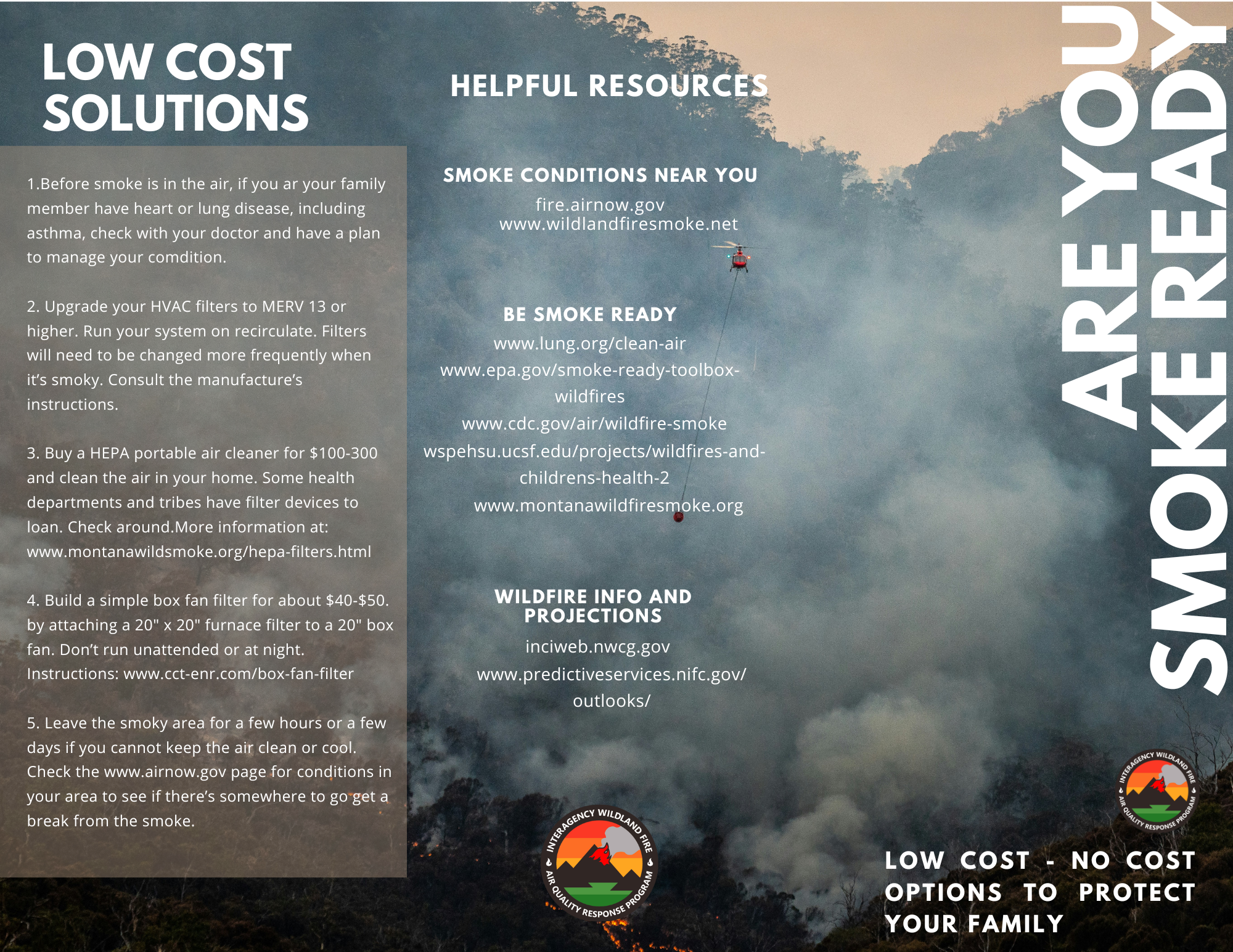
Low Cost Solutions

To help keep you and your family safe.

Plan

Before smoke is in the air, if you or your family member(s) have heart or lung disease, including asthma, check with your doctor and have a plan to manage your condition.

HVAC

Upgrade your HVAC filters to MERV 13 or higher. Run your system on recirculate. Filters will need to be changed more frequently when it’s smoky. Consult the manufacturer instructions.

Air Cleaner

Buy a HEPA portable air cleaner for $100-$300 and clean the air in your home. Some health departments and tribes have filter devices to loan. Check around.

DIY Filter

Build a simple box fan filter for about $40-$50 by attaching a 20″ x 20″ furnace filter to a 20″ box fan. Don’t run unattended or at night. Get Instructions

Take a Break

Leave the smoky area for a few hours or a few days if you cannot keep the air clean or cool. Check the airnow page for conditions in your area to see if there’s somewhere to go get a break from the smoke.

Comparing smoke emissions and impacts under alternative forest management regimes

Jonathon W. Long, Stacy A. Drury, Samuel G. Evans, Charles J. Maxwell, Robert M. Scheller

ABSTRACT. Smoke from wildfires has become a growing public health issue around the world but especially in western North America and California. At the same time, managers and scientists recommend thinning and intentional use of wildland fires to restore forest health and reduce smoke from poorly controlled wildfires. Because of the changing climate and management paradigms, the evaluation of smoke impacts needs to shift evaluations from the scale of individual fire events to long-term fire regimes and regional impacts under different management strategies.

Common Questions

  • Smoke can come from wildland fires, both prescribed fires and wildfires.
  • How much smoke wildfires or prescribed fires make, how long it lasts, and how far it travels all depend on the number of fires in the area, how big they are, fire behavior, fuel types, weather, and topography.
  • Smoke is made up of small particles, gases, and water vapor and can have significant impacts on air quality.
  • Smoke can travel long distances, so distant fires can affect smoke levels in your area.
  • Smoke from fires contain a range of harmful air pollutants, including tiny particles known as particulate matter (PM).
  • Particulate matter (PM) is one of the biggest dangers from smoke.
  • The size of particles in smoke is directly linked to their potential for causing health problems. Particles smaller than 10 micrometers in diameter can be inhaled. Particles that are 2.5 micrometers in diameter or smaller are more likely to get into deeper parts of the lungs and may even get into your bloodstream. Larger particles can irritate your eyes, nose, and throat but are less concerning for health impacts.

Breathing smoke is not healthy.

Smoke is a higher health risk for some people than for others.

Healthy adults often experience temporary symptoms such as irritation of the eyes, nose, and throat, coughing, phlegm, chest tightness, and shortness of breath when particulate levels are high, including when the air is smoky. Temporary symptoms (runny noses, coughing, etc.) from minor irritation generally disappear after the smoke is gone for healthy adults.

Children and people with lung disease, such as asthma or chronic bronchitis, may not be able to breathe as deeply or as easily as normal, and may experience coughing, chest discomfort, wheezing, shortness of breath, and unusual fatigue when the air is smoky and particulate matter pollution is elevated.

People with diseases such as asthma or chronic bronchitis may find their symptoms worsening in smoky, high particulate conditions. Exposure to particles for hours or days can aggravate lung disease, causing asthma attacks and acute bronchitis, and may also increase susceptibility to respiratory infections. In people with heart disease, exposures have been linked to heart attacks.

If you have lung or heart disease, consult your doctor for additional advice in smoky conditions. Call your doctor if your symptoms worsen.

Extended exposure to elevated levels of smoke can affect everyone.

Exercise and physical activity cause people to breathe faster and more deeply, drawing more particles into their lungs. This makes active people more susceptible to smoke impacts.

People at greater risk from particle pollution include:
-People with cardiovascular disease (diseases of the heart and blood vessels including congestive heart disease)
-People with lung disease, including asthma, emphysema, chronic obstructive pulmonary disease (COPD), and long COVID
-Children and teenagers
-Older adults

Research indicates that obesity or diabetes may increase risk.

New or expectant mothers may also want to take precautions to protectthe health of their babies.

The U.S. Air Quality Index (AQI) is EPA’s index for reporting air quality conditions. As smoke conditions worsen, the AQI changes and so do guidelines for protecting yourself.

Using models, scientists can predict air quality conditions. The AQI forecasts use these models to show what the air quality is expected to be.

The AQI forecast will tell you what the air quality is expected to be, which groups of people may be affected, and steps individuals can take to reduce their exposure to air pollution.

Take actions appropriate for the level of smoke and your health. Actions may include planning outdoors activities when air quality is better, going for a walk instead of a jog, or limiting time outside when it is smoky.

Dust masks, surgical masks, scarves, or bandanas will not protect your lungs from the fine particles in wildfire smoke. Particulate masks known as N-95 or P-100 respirators will help, but they must fit well, and be used correctly.

The same particles that cause problems for people may cause some problems for animals. It’s a good idea to monitor the health of your animals and/or contact your veterinarian or county extension office for more information.